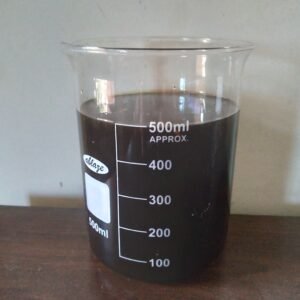

Description
Camphor is used in agriculture as a natural pesticide, fungicide, and repellent, controlling pests like aphids and fungal diseases such as Fusrium, acting as an organic alternative to synthetic chemicals. It’s used as a foliar spray (often dissolved in warm water/solvents) to deter insects and treat mildews, and its wood/trimmings make excellent mulch, improving soil health. Its strong aroma repels pests, while its compounds disrupt fungal cell membranes, making it versatile for green farming.
Agricultural Applications:
- Pest Control (Insecticide/Repellent):
- Aphids & Insects:Camphor oil acts as a botanical aphicide and repellent, disrupting insect life cycles, and can be mixed with water or solvents for sprays.
- Mosquitoes/Fruit Flies:Even in kitchen gardens, camphor in water repels these pests.
- Fungal Control (Fungicide):
- Fusarium:It significantly inhibits the growth of harmful Fusarium fungi, damaging their cell membranes, making it a green alternative for crop protection.
- Powdery Mildew:Can help control mildews in fruit/flower crops.
- Soil & Mulching:
- Mulch Material:Camphor tree trimmings and woodchips decompose well, acting as effective mulch that improves soil, though some sensitive plants might need careful monitoring.
- Organic Fertilizer:
- Nutrient Delivery:Camphor oil products are available as controlled-release organic fertilizers, providing sustained nutrition for healthy growth.
How to Use (Examples):
- Spray Solution:Dissolve camphor in warm water (or acetone/ethanol for stronger solutions) and spray on plants to target pests and fungi.
- Kitchen Garden:Place camphor tablets in water to deter pests like fruit flies.
- Mulching:Use camphor woodchips as a chop-and-drop mulch around plants.
Benefits:
- Natural & Green:Derived from plants, it’s a safer, natural option for integrated pest management.
- Dual Action:Works against both fungi and insects.
- Versatile:Available in different forms (oil, powder, granular) for various farming needs.
Camphor extract is used in agriculture primarily as a natural, eco-friendly agent for pest control and as a fungicide. Its strong aroma and bioactive compounds help to repel and inhibit various insects and plant pathogens without relying on harsh synthetic chemicals.
Uses of Camphor Extract in Agriculture
- Pest Repellent and Insecticide:The potent, penetrating scent of camphor is unpleasant for many common garden and agricultural pests, including ants, mosquitoes, fruit flies, moths, and aphids. It can deter pests from approaching or feeding on crops. When used in concentrated forms like essential oils or nano-emulsions, it can be toxic to insect larvae and adults.
- Fungicide:Camphor extract has been shown to have significant antifungal properties against various soil-borne and pre- or post-harvest plant pathogens. It can inhibit the growth of fungi like Fusarium oxysporum and Alternaria alternata, which cause diseases such as root rot and leaf blight.
- Algaecide:Extracts from the camphor tree can inhibit the growth of certain types of algae by degrading chlorophyll and reducing photosynthesis, suggesting a potential use in managing harmful algal blooms in agricultural water systems.
- Natural Preservative:Due to its antimicrobial and antifungal properties, camphor oil shows promise as a natural preservative for fruits and vegetables after harvest, helping to reduce spoilage and post-harvest losses.
- Soil Amendment:Some commercial products suggest that camphor oil can be used for soil enrichment to support organic and sustainable farming practices, though its primary function remains related to pest and disease control.
- Weed Control (Allelopathic effects):Studies indicate that the compounds in camphor may have allelopathic effects, meaning they can inhibit the germination and growth of certain surrounding weed species, such as lettuce and perennial ryegrass seedlings.
Application Methods
- Fumigation/Aroma Diffusion:Placing camphor balls or containers of water with camphor near crops or in enclosed spaces (like greenhouses) allows the strong, volatile aroma to spread and repel airborne pests.
- Foliar Spray:Diluted solutions of camphor powder or essential oil (often mixed with a carrier or emulsifying agent like soap or a solvent) can be sprayed directly onto plants to repel insects and control fungal infections.
- Soil Application:Camphor can be incorporated into the soil, typically wrapped in a cloth, to create a protective barrier against soil-borne pests.
Key Consideration
While camphor extract offers a natural alternative to synthetic pesticides, it is important to note that concentrations can vary. Research studies often use specific, carefully measured concentrations for efficacy. Following tested methods, such as those found in organic farming guides or scientific papers, is essential for safe and effective use.