
Description
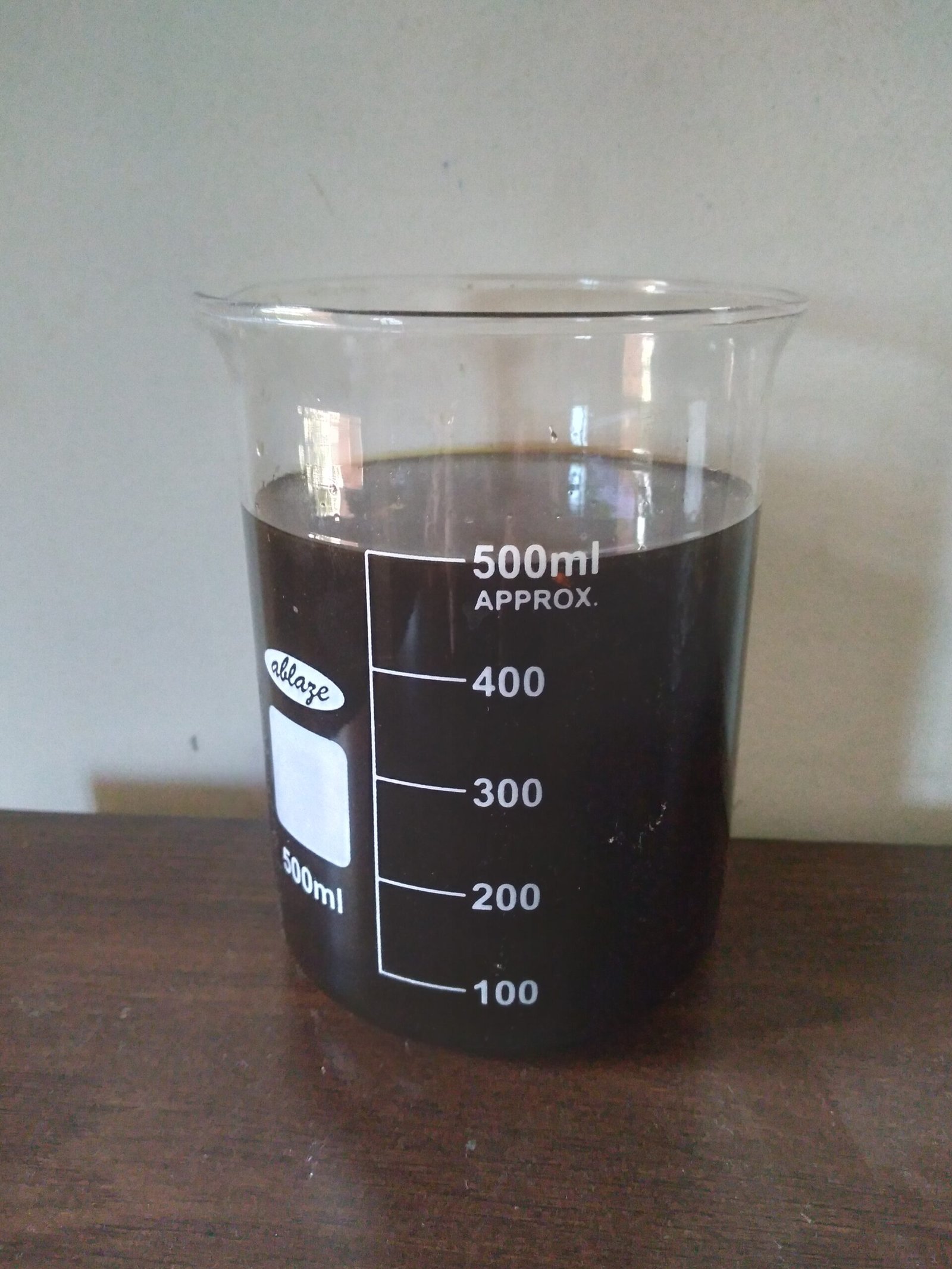
Tobacco extract is a concentrated liquid derived from tobacco leaves, capturing its natural flavors, aromas, and compounds like nicotine, often made using methods like CO2 extraction, solvent extraction, (ethanol, propylene glycol), or maceration , primarily used for authentic tobacco flavours in e-liquids, flavouring other tobacco products, and sometimes for nicotine replacement therapies or industrial uses like corrosion inhibition.
Types & Production Methods
- Natural Tobacco Extract (NTE):Focuses on capturing the authentic taste and aroma, often for vaping.
- Supercritical CO2 Extraction::Uses high-pressure carbon dioxide to precisely extract flavors, ensuring purity.
- Maceration::Soaking tobacco leaves in a neutral base (like propylene glycol) to draw out flavors.
- Solvent Extraction:Using solvents like ethanol or water to pull out components, followed by purification.
- Nicotine-Rich Extracts:Separated for pharmaceutical use, often using complex liquid-liquid extraction or chromatography.
Common Uses
- Vaping & E-liquids:To create realistic, complex tobacco flavors.
- Tobacco Products:To enhance flavor and quality in cigarettes and other articles.
- Nicotine Replacement:As a base for nicotine delivery systems.
- Corrosion Inhibition:Certain aqueous extracts can protect metals from corrosion.
Key Characteristics
- Aromatic:Rich in compounds that give tobacco its distinct smell and taste.
- Contains Nicotine:The concentration varies significantly depending on the extraction method, from negligible amounts in flavor extracts to high purity for pharmaceutical use.
- Natural Flavour:Provides a more authentic taste compared to synthetic flavorings.
Tobacco extract, rich in nicotine, serves as a natural pesticide ( insecticide, fungicide, nematicide ) targeting pests like aphids, caterpillars, and mites, acting as a contact or stomach poison, while also potentially used in fertilizer due to nitrogen content, fitting into sustainable farming but requiring careful application to avoid harming beneficial insects.
Uses in Agriculture
- Pesticide/Insecticide:
- Mechanism:Nicotine is a potent neurotoxin that kills soft-bodied insects like aphids, mites, thrips, and caterpillars.
- Application:Applied as a spray (decoction or extract) mixed with soap to help it stick, often diluted with water.
- Effectiveness:Works as a contact poison, stomach poison, and fumigant, though effectiveness can vary.
- Fungicide & Bactericide:
- Contains compounds (polyphenols, terpenes) with anti-fungal and anti-bacterial properties, protecting against plant pathogens.
- Fertilizer Component:
- Its nitrogen content can improve soil fertility, promoting healthier plant growth, aligning with organic practices.
Important Considerations
- Concentration Matters:High concentrations are toxic to pests, but low concentrations might act as Plant stimulate too strong, and it can harm the crop or beneficial bugs.
- Safety & Environment:While often called a “green” alternative, its broad-spectrum toxicity can kill beneficial insects (pollinators, predators) and potentially harm animals if they lick treated foliage.
- Preparation:Homemade extracts (decoctions) are common, often using tobacco leaves/stems, water, and soap, but require careful dilution and immediate use.
- Residue & Waiting Period:A waiting period (e.g., 4 days) is needed before harvesting crops sprayed with tobacco extract to minimize residues.